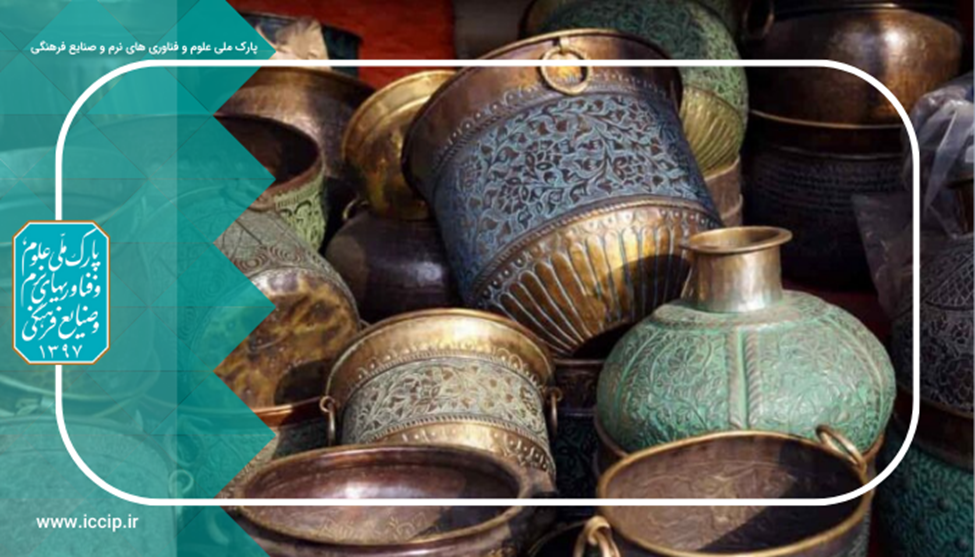
One of the creative companies located in The Soft Technology and Cultural Industries Park has created an innovative approach in handicrafts by utilizing new technologies such as artificial intelligence and nano-coating; an approach that helps create widespread employment, improve product quality, and enter the path of export.
Tina Asharieh, CEO of the creative company “Jahan Hediyeh Simorgh,” said: This company started its activities about three years ago and is active in the field of corporate, promotional, and exhibition gifts. The main difference in our work compared to other handicrafts is in production, packaging, and sales methods. In each section, we have tried to make positive changes to the best of our ability. These changes have also impacted the work process and job creation of this collection; this company is the first and only women-led company in the field of handicrafts. All aspects of this company’s work are done by women. Over the past three years, we have been able to create indirect employment for more than 100 people.
She added: We have also used artificial intelligence in content production, marketing, customer acquisition, and the training we provide to our staff. We have also tried to address the weaknesses that previously existed in this industry. For example, the nano-layer we used on our copper products has prevented the dishes from blackening or having problems for several years; an issue that was previously a concern for customers. The use of these technologies has made the products of this collection more distinctive than other handicrafts.
She addressed the challenges in this field and said: Funding is one of the most important challenges for this company because our work is based on copper. Severe fluctuations in copper prices severely affect our activities. Convincing consumers to buy handicrafts is another challenge for this industry; today, many people think that handicrafts are old and impractical, while this is not the case at all; they have different functionalities, and their weaknesses have been addressed. Even in production workshops, we face resistance to changes in market taste; some producers have very low flexibility and do not want to change their taste. These issues are among the biggest challenges we have faced in recent years.
Asharieh addressed the importance of Iran’s handicraft sector and stated: Iran is the third-largest producer of handicrafts in the world. This industry is pristine but profitable and has vast job creation potential. Anyone who has the basic ability to work with the tools of this industry can work in this field. Certainly, if sufficient training and support are provided, handicrafts can play an important role in household economies.
The CEO of Jahan Hediyeh Simorgh referred to the role of The Soft Technology and Cultural Industries Park in the development of the company’s activities and said: The Soft Technology and Cultural Industries Park can be an effective arm for this collection; especially in the field of exports, where we do not have sufficient knowledge. Our exports have been limited and sporadic so far, but we hope the park can show us the right path for exports. The park can also play an important role in funding, visibility, organizing events, and even connecting with academic institutions.

No comment