Yalda is one of the oldest rituals of Iranian civilization; a celebration whose roots date back to more than 500 years BC and even before the emergence of Zoroastrianism in Iran. Yalda is not only a seasonal ritual, but also a symbol of the connection of Iranian people with nature, light, prayer, and social solidarity; to the extent that it has been registered as an intangible cultural heritage of Iran by UNESCO.
The word “Yalda” means birth and birth. Abu Raihan Biruni considers this night to be the same as the Nativity of Jesus Christ (PBUH); however, due to calendar changes, its date has been shifted in the Christian calendar. On the other hand, in ancient Iranian beliefs, this night is the birthday of Mithra, the goddess of love and light; a symbol of the victory of light over darkness. This meaning has caused the longest night of the year to be not a cause for fear, but an opportunity to wait for the sunrise and the beginning of a new season.“Celebration” is originally derived from the word “Yasin” meaning prayer and worship. Accordingly, the main philosophy of Yalda Night was gratitude, worship, and seeking blessings from God. Ancient Iranians spent this night together, praying for the coming year, and believing that with empathy and companionship, they could leave the darkness behind and reach the light.
The gatherings of Yalda Night also have meaning. The agricultural society of Iran considered winter to be a difficult season and believed that collective prayer and gratitude would ensure the blessing and abundance of the coming year. Therefore, the togetherness of family and relatives was an inseparable part of this ritual.
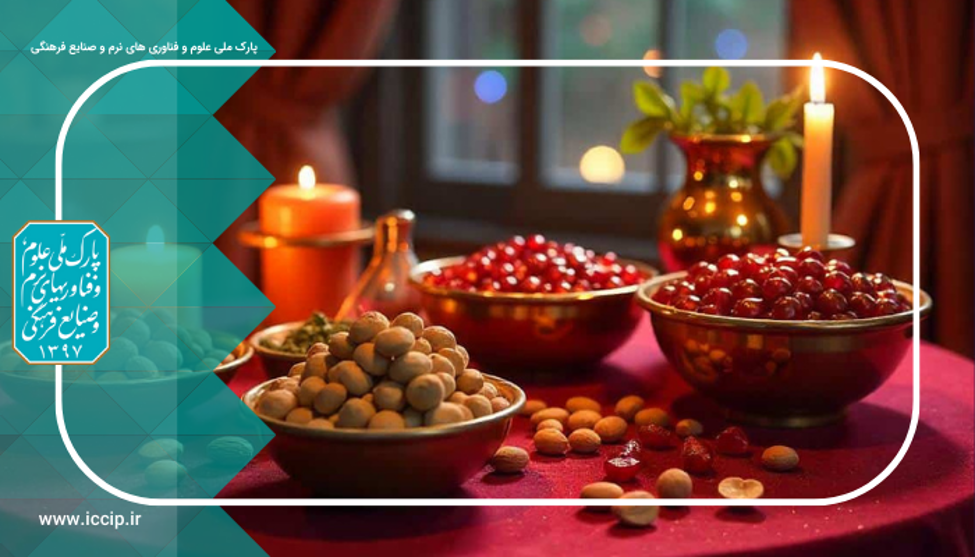
Yalda customs and traditions in different parts of Iran are a manifestation of the cultural diversity of this land.From the markets on the last Thursday before Yalda in the northwest of the country, to the special rituals around Mashhad that are associated with the belief in “Uncle Cheleh”; or the custom of sprinkling roasted wheat and salt on the roofs of houses for the purpose of blessing, and even placing bowls of water in cold regions to drink ice water with date syrup and walnuts on the first morning of winter. In desert regions, the return of all family members—even from faraway places—to the house on Cheleh night has been a sign of the importance of family bonding. Reciting Hafez, reciting the Shahnameh, telling stories from elders, and respecting the elderly have enriched the cultural spirit of this night. Yalda foods also each have their own meaning and philosophy. Pomegranates symbolize fertility and the sun; watermelons symbolize health and the balance of heat in the coming year; nuts are strength and nutrition, and the combination of hot and cold foods has been a reminder of Iranians’ attention to the balance of temperament and health.Eating what was stored in the barns was also considered a sign of gratitude for divine blessings.
Yalda Night, beyond an ancient custom, has a living message for us today: resistance to darkness, hope for light, and the value of being together. Perhaps in a time when the pace of life has distanced us from each other, rereading the philosophy of Yalda can bring us closer to our cultural roots and the true meaning of “celebration.”
Dr. Mahdieh Shahrabi Farahani
Faculty Member of the Science and Culture University and Director of International Cooperation Affairs of the Soft Technologies, and Cultural Industries Park.
Traditions that contain meaning, wisdom, and philosophy

No comment